
Fashion moves fast, but reading about fashion is what actually helps you understand why it moves the way it does. Whether you’re a student working through a reading assignment or just someone who wants to go beyond scrolling outfit photos, there’s a real difference between watching trends happen and actually understanding them. Here’s where to start and how to get the most out of it.

Quick Answer: Where to Start
If you’re short on time, here’s the fast version:
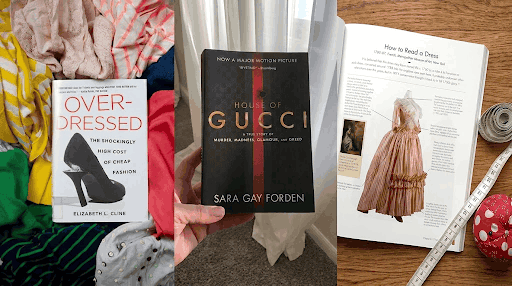
- For fashion history, start with “How to Read a Dress” by Lydia Edwards
- For industry drama and business insight, read “The House of Gucci” by Sara Gay Forden
- For the ethics and environmental side, pick up “Overdressed” by Elizabeth Cline
- For daily fashion news, established outlets and dedicated fashion sections cover trends, runway shows, and industry shifts
- For students, reading comprehension exercises about fashion topics double as useful vocabulary and critical thinking practice
Now let’s go through each of these properly.
Why Reading About Fashion Is Worth Your Time
Fashion isn’t just about clothes, it’s tangled up with history, economics, labor, and culture. Reading about fashion gives you context that a quick social media scroll never will, like why certain silhouettes came back into style, or how a single scandal can reshape an entire luxury brand.
This matters whether you’re studying fashion formally, working in a related field, or just someone who wants to shop and dress with more intention. Understanding the “why” behind trends tends to make people more thoughtful consumers, not just faster followers of whatever’s popular this season.
The Best Books to Actually Start With
Not all fashion books cover the same ground, so picking the right one depends on what you’re actually curious about.
| Book | Focus | Best For |
| How to Read a Dress by Lydia Edwards | Fashion history from the 16th to 21st century | Anyone curious how clothing styles evolved over centuries |
| The House of Gucci by Sara Gay Forden | The business, drama, and scandal behind the luxury brand | Readers who like corporate history and true crime elements |
| Overdressed by Elizabeth Cline | The environmental and social cost of fast fashion | Readers interested in sustainability and ethical shopping |
“How to Read a Dress” is especially useful if you want something visual and structured, since it walks through five centuries of clothing with detailed illustrations explaining exactly what changed and why. You can find more details and reader reviews on Goodreads’ page for the book, which also lists Lydia Edwards’ follow up title covering menswear.
Where to Find Ongoing Fashion Coverage
Books give you depth, but they don’t cover what’s happening this week. For that, dedicated fashion sections at major outlets track runway shows, designer announcements, and industry shifts in real time.
If you want a broader, encyclopedia style starting point before diving into specific coverage, Wikipedia’s Fashion page gives a solid overview of how the term is defined and how the industry is structured, which helps make sense of the more specific articles you’ll read elsewhere.
Reading About Fashion for Students and Coursework
If you’re searching this topic for a class assignment, reading comprehension exercise, or essay, fashion actually makes a great subject for building both vocabulary and critical thinking skills. It naturally touches on history, economics, sociology, and current events, all in one accessible package.
A few ways students commonly use fashion focused reading:
- Reading comprehension passages that explain a specific fashion era or trend, then answering questions about main ideas and vocabulary
- Essay assignments comparing fast fashion to sustainable fashion practices
- Analyzing how advertising and media shape fashion trends
- Studying the language used in fashion journalism, since it often blends descriptive and persuasive writing
Real conversations from shoppers and enthusiasts can also be useful here. On a discussion thread in r/femalefashionadvice, people regularly break down specific style questions and industry topics in plain language, which can actually be a helpful supplement if you’re trying to understand how these ideas apply in everyday conversation rather than just academic writing.
How to Actually Get More Out of What You Read
Reading passively rarely sticks. A few habits make a real difference if you want to actually retain and use what you’re reading:
- Keep a running list of terms you don’t recognize, fashion writing uses a lot of specific vocabulary that’s worth learning properly
- Look up images of anything described that you can’t picture clearly, especially with historical fashion terms
- Follow up on names and events mentioned, a single book chapter often references real designers or moments worth researching further
- Talk or write about what you read, summarizing a chapter in your own words helps information actually stick
Frequently Asked Questions
What does fashion actually mean?
Fashion refers to the prevailing styles in clothing, accessories, and appearance during a particular time and culture, along with the industry that creates and promotes those styles.
What should I read to learn about fashion as a beginner?
“How to Read a Dress” is a strong starting point for fashion history, while “Overdressed” works well if you’re more interested in the ethics and environmental side of the industry.
Are there good articles about fashion for students specifically?
Yes, reading comprehension exercises and essays covering fashion history, fast fashion ethics, and advertising’s influence on trends are common in classrooms and widely available through educational resources.
Is reading about fashion actually useful, or is it just entertainment?
It can be both. Fashion writing touches on real history, economics, and social issues, so it offers genuine educational value beyond simple entertainment, depending on what you choose to read.
Final Thoughts
Reading about fashion opens up a lot more than most people expect, real history, business drama, and honest conversations about the industry’s impact on people and the planet. Whether you’re picking up a book for the first time or working through a class assignment, starting with something that actually interests you is the fastest way to stick with it and actually learn something.